ServicesSolar Panel Installation
Solar Panel Installation in Hurst
We design and install solar panels for your home, sized from a year of your electric bills instead of a sales target. You get a written estimate with every part listed. We handle the permit and utility paperwork, and we tell you plainly if solar doesn't fit your house.
What solar panel installation covers
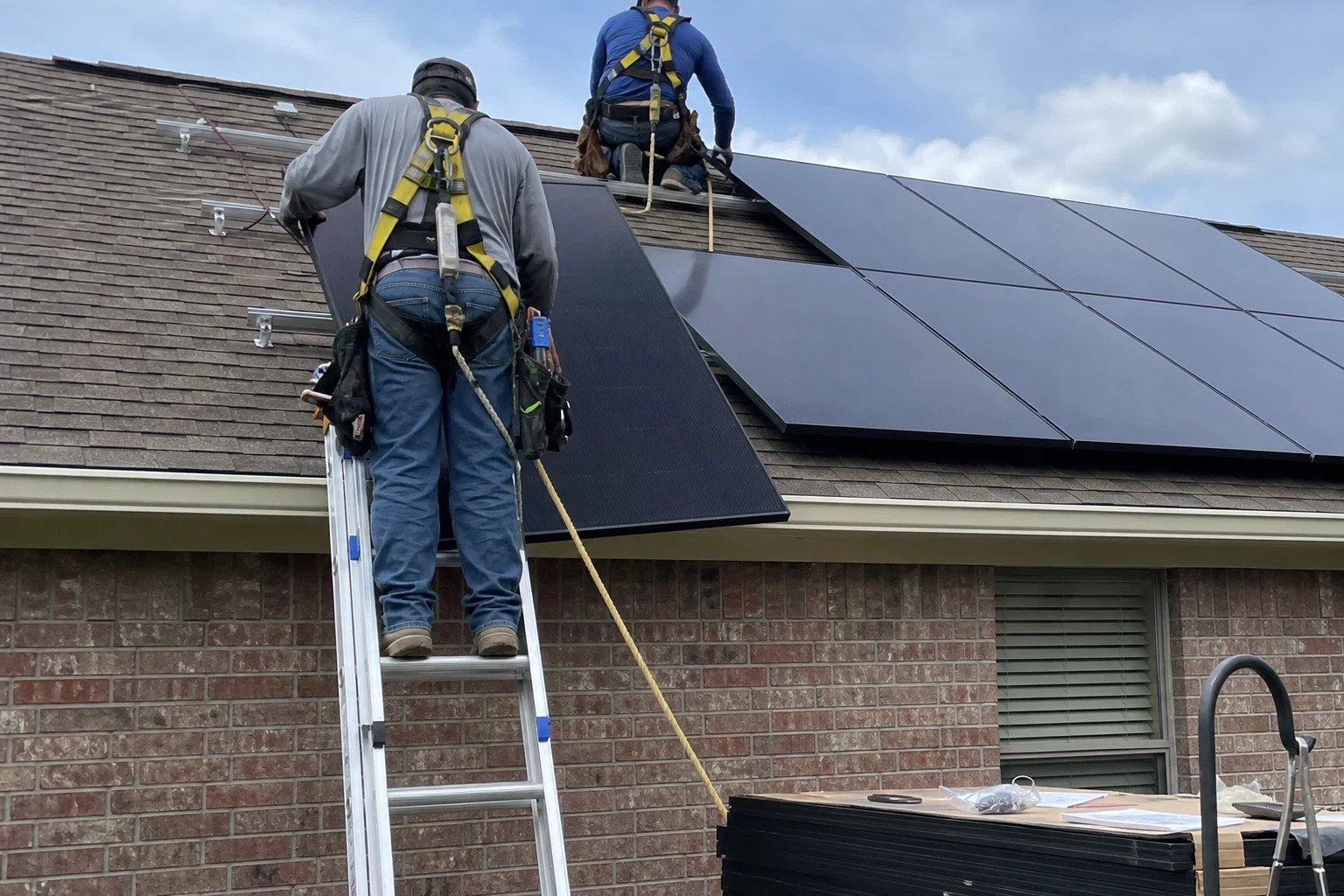
Solar panel installation is the whole job. We pick the panels and inverter, lay them out on your roof, wire them to your electric panel, and get the system inspected and approved to run. It's the right call when your roof gets good sun most of the day, has years of life left, and your bills are high enough for the panels to pay their way.
It isn't always the right call. Heavy shade from big trees, a roof near the end of its life, or a small monthly bill can change the math. We'd rather say that on the first visit than sell you a system that never earns its keep. If your roof needs work first, your roofer handles that and we come back once it's done.
In Texas, what you get paid for extra power sent to the grid depends on your retail electric plan, not one statewide rule. So we size the system to cover what you actually use, and we show you how your current plan treats exported power before you sign anything.
What the job covers
Checking the roof and shade
We take roof measurements, record the direction each section faces and watch how trees and neighboring buildings shade it through the day. Your main electric panel gets a look too, to see if solar will fit.
A system built around your bills
A year of your usage sets how many panels you need. Before you commit, you see where they sit on your roof and how much power they should make each year.
Written estimate by line
Panels, inverter, racking, electrical work and permit fees are each listed separately. Any change shows up in writing before it happens.
City permit and utility sign-off
We get the permit from the city and send the utility its interconnection application. Neither one is yours to track down.
Mounts and wiring
Each mount is bolted to a rafter and flashed so water stays out. Conduit runs are kept tidy, and disconnects and labels go exactly where code requires.
Turn-on and app setup
After approval, we switch the system on, put the monitoring app on your phone and show you what the readings mean.
Signs solar panels make sense for your home
Summer bills that spike
Long Texas summers keep the AC running for months. If your bills jump every June through September, that's the load solar is best at offsetting.
Good sun on the roof
South, west or east facing sections with little shade between mid-morning and late afternoon are what you want.
You aren't planning to move soon
Solar earns its cost back slowly, over a stretch of years. The longer you live in the house after the install, the more of that payback stays with you.
You're adding electric load
An electric vehicle, a pool pump or a new addition all raise usage. It's smarter to size solar with that in mind than to add panels later.
How the install goes
- 1
Phone call and site visit
We talk through your bills and roof on the phone, then set a time to come out. The visit takes about an hour.
- 2
Design and estimate
We send you the layout, production estimate and line-item price. Take your time with it and ask anything.
- 3
Permits and approvals
We file with the city and the utility. This part usually takes the longest, and we keep you posted on where it stands.
- 4
Install day
Most homes take one to two days. Your power goes off for a short stretch while we tie into the panel. Before we leave, we pick up wire scraps and run a magnet over the yard for stray screws.
- 5
Sign-off and first power
A city inspector looks over the finished work. Once that passes, the utility sends its approval to connect. We wait for both before the system makes its first watt, so it never runs without sign-off.
What moves the price
Every system is priced from its own parts list and its own roof, so we don't give a number before we've seen your home. These are the things that move it most. Your estimate shows each one as a separate line.
- System size
- More panels means more cost and more production. The right size comes from your usage, not from filling every inch of roof.
- Panel and inverter choice
- A single string inverter usually costs less. Microinverters cost more but handle partial shade better and let you see each panel's output.
- Roof layout
- A steep roof, several small sections or tile instead of composition shingle adds labor and special mounts.
- Electrical upgrades
- Some older main panels don't have room for solar. If yours needs an upgrade, we tell you on the first visit and price it on its own line.
- Incentives
- Tax credits and rebates change from year to year. We'll tell you what we know applies when you buy, and your tax preparer can confirm it for your situation.
Solar panel installation questions
Something not covered here? (817) 687-0256
How long from the first call to the system running?
Usually a few weeks to a couple of months. The install itself is one or two days. Most of the wait is the city permit and the utility's interconnection approval, which we track for you.
Will panels cause roof leaks?
Not when they're mounted right. We bolt into the rafters and flash every mount so water sheds around it. We also look at the roof first, and if it's close to needing replacement, we'll tell you to do that before the panels go on.
What happens if hail hits the panels?
Panels use tempered glass built to take hail, but large stones can still crack one. Hail damage to panels is often handled through your homeowner's policy, so check yours. If a panel does break, our Solar Repair page covers how we handle it.
Do I need a battery with solar?
No. Panels work fine without one. Without a battery, though, a grid-tied system shuts off during an outage for line worker safety. If backup power matters to you, see our Battery Storage page.
Do panels lose power in the heat?
They lose a little output as they get hotter, but long summer days still make summer your biggest production season. Dust and pollen cut output too, which is where our Panel Cleaning service comes in.
Find out if solar fits your home
Have a recent electric bill handy when you call. We'll ask a few questions about your roof and usage, then set up a time to come take a look.